

Philadelphia Mergers & Acquisitions Lawyers
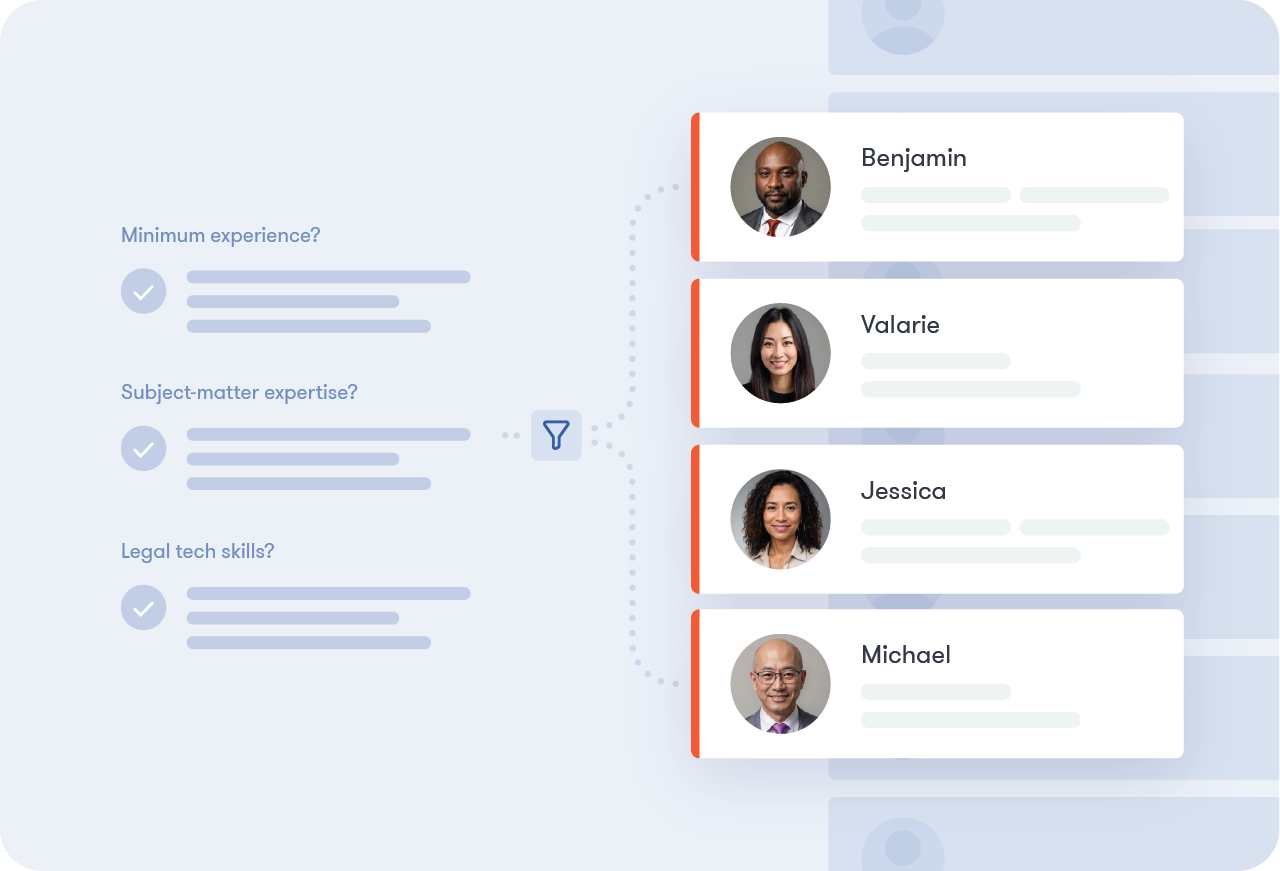
Axiom helps you find & engage the right business-oriented mergers & acquisitions lawyers in Philadelphia, throughout the United States, and globally on a full-time, part-time, or as-needed basis at affordable rates.












How It Works
Mergers & Acquisitions Lawyers in Nearby Cities
- Mergers & Acquisitions Lawyers in Pittsburgh, PA
- Mergers & Acquisitions Lawyers in Allentown, PA
- Mergers & Acquisitions Lawyers in Erie, PA
- Mergers & Acquisitions Lawyers in Reading, PA
Mergers & Acquisitions Lawyers in Other Cities
- Mergers & Acquisitions Lawyers in New York City, NY
- Mergers & Acquisitions Lawyers in Los Angeles, CA
- Mergers & Acquisitions Lawyers in Chicago, IL
- Mergers & Acquisitions Lawyers in Houston, TX
- Mergers & Acquisitions Lawyers in Phoenix, AZ
- Mergers & Acquisitions Lawyers in San Antonio, TX
- Mergers & Acquisitions Lawyers in San Diego, CA
Practice Areas similar to M&A Law
- Commercial Real Estate Lawyers
- Corporate & Commercial Lawyers
- Data Privacy & Cybersecurity Lawyers
- Energy Lawyers
- Finance & Capital Markets Lawyers
- Healthcare & Life Sciences Lawyers
- Intellectual Property Lawyers
- Labor & Employment Lawyers
- Legal Support Professionals
- Litigation & Dispute Resolution Lawyers
- Regulatory & Compliance Lawyers
- Technology & AI Lawyers
Local transaction considerations
Deal Review in a Healthcare and Research Market
Mergers and acquisitions work in Philadelphia often reflects the city’s concentration of healthcare systems, universities, life sciences companies, technology ventures, and professional services firms. A buyer evaluating a University City biotech company, a healthcare services vendor tied to regional hospital customers, or a software business with research institution contracts will usually look beyond headline valuation. Diligence often focuses on ownership of intellectual property, customer concentration, grant or collaboration restrictions, data handling obligations, and whether key contracts can be assigned without consent.
Research-driven companies can present transaction issues that are easy to miss if deal review is limited to financial statements and standard corporate records. A target may rely on sponsored research agreements, material transfer arrangements, university licenses, consulting agreements, or milestone-based commercialization rights that affect future revenue and control over developed assets. Purchase agreements may need specific representations around invention ownership, exclusivity, regulatory communications, and third-party claims so that a buyer understands what it is actually acquiring. Those terms matter because unresolved rights can affect financing, integration planning, and post-closing leverage.
Healthcare and life sciences transactions can also involve operational dependencies that affect closing timelines. Change-of-control provisions, payer or customer approvals, privacy obligations, provider relationships, and transition services can create friction if they are not addressed before signing. Axiom's mergers and acquisitions lawyers can support companies reviewing diligence findings, negotiating risk allocation, and aligning purchase documents with the research, healthcare, and vendor relationships common in Philadelphia transactions.
Middle-Market Transactions Across Regional Business Corridors
Deal activity outside the research corridor often reflects Philadelphia’s broader middle-market economy. Companies in Center City, the Navy Yard, King of Prussia, and along the I-95 corridor may be involved in acquisitions tied to distribution, manufacturing, real estate services, food operations, logistics, and business-to-business services. In those transactions, the practical pressure often comes from confirming working capital, debt-like items, customer commitments, supplier terms, equipment liens, environmental diligence, and employee retention risks before the buyer loses negotiating leverage.
A family-owned manufacturer, port-adjacent logistics provider, or regional services company can raise different concerns than a venture-backed target. Review may focus on informal customer arrangements, related-party leases, owner-dependent sales relationships, union or workforce obligations, and permits connected to facilities or specialized equipment. The purchase agreement then has to translate those findings into usable terms, including indemnity structure, escrow mechanics, interim operating covenants, earnout triggers, and closing conditions. If those provisions are too vague, the parties can end up disputing ordinary operating changes that occur between signing and closing.
Philadelphia transactions also often require coordination among lenders, landlords, major customers, and outside advisors. Consent requests, disclosure schedule updates, financing deliverables, and transition planning can move on overlapping timelines, especially when the target operates across Pennsylvania, New Jersey, and Delaware. Lawyers from Axiom can help deal teams review acquisition agreements, identify consent or assignment issues, assess diligence gaps, and manage transaction documents where local operating realities affect price, timing, or post-closing risk.