

Chicago Labor & Employment Lawyers
Axiom helps you find & engage the right business-oriented labor & employment lawyers in Chicago, throughout the United States, and globally on a full-time, part-time, or as-needed basis at affordable rates.


















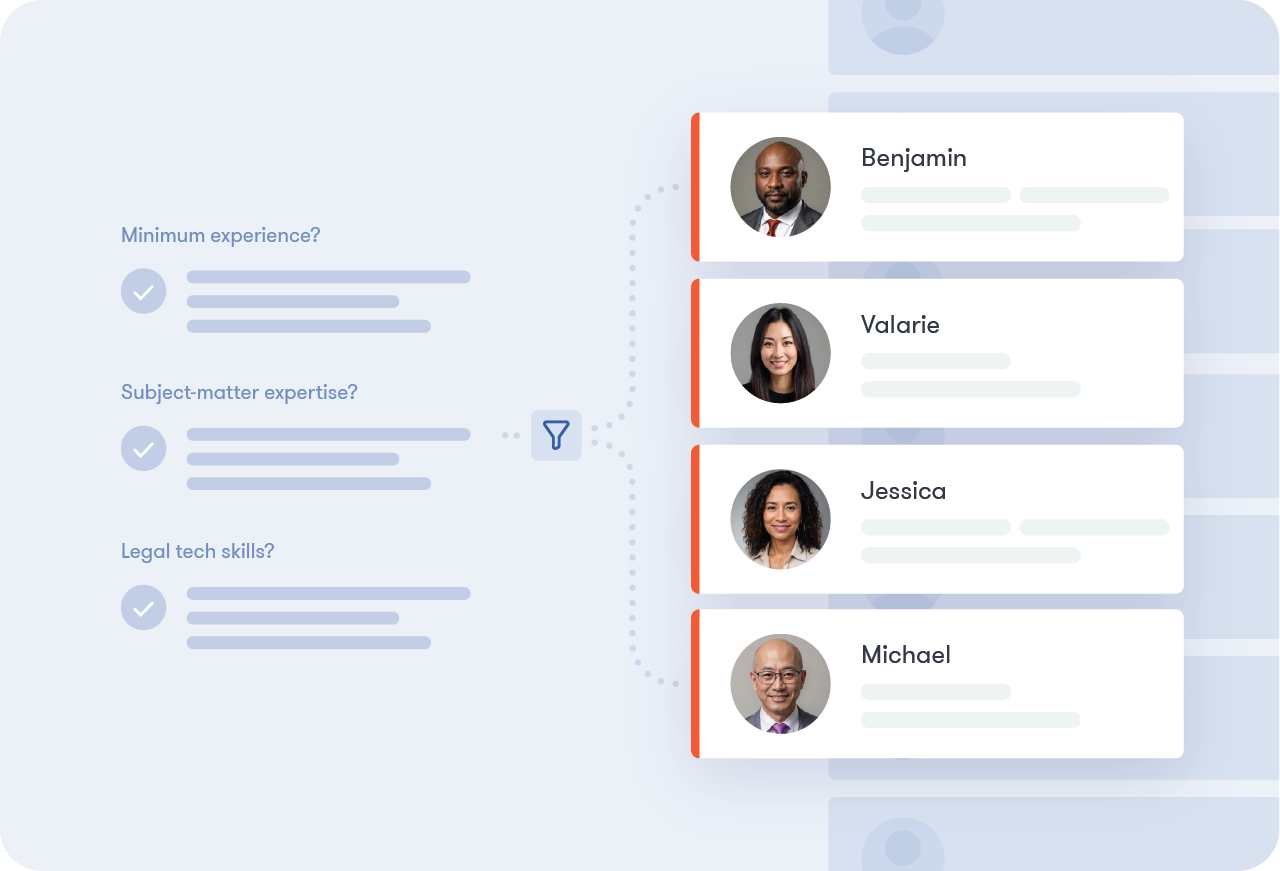
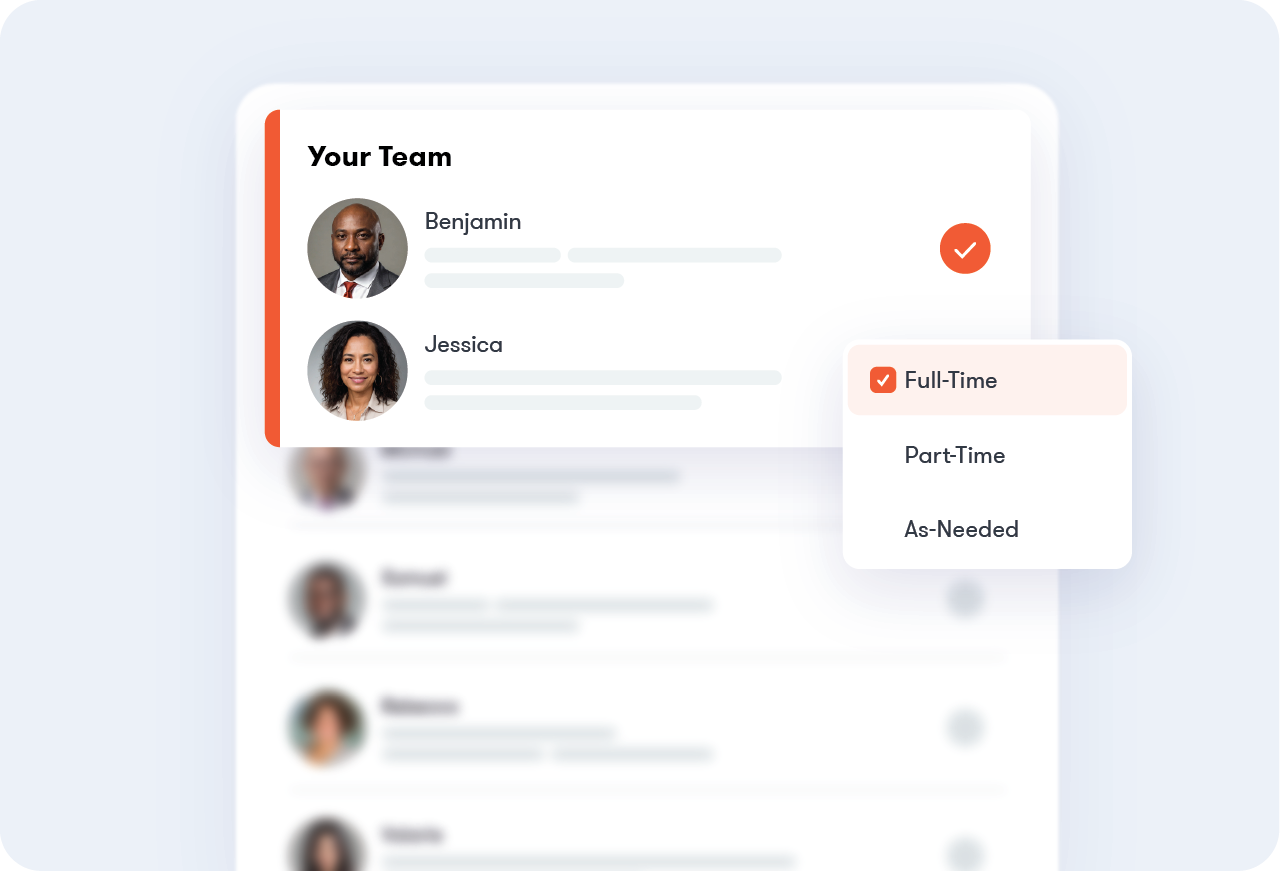
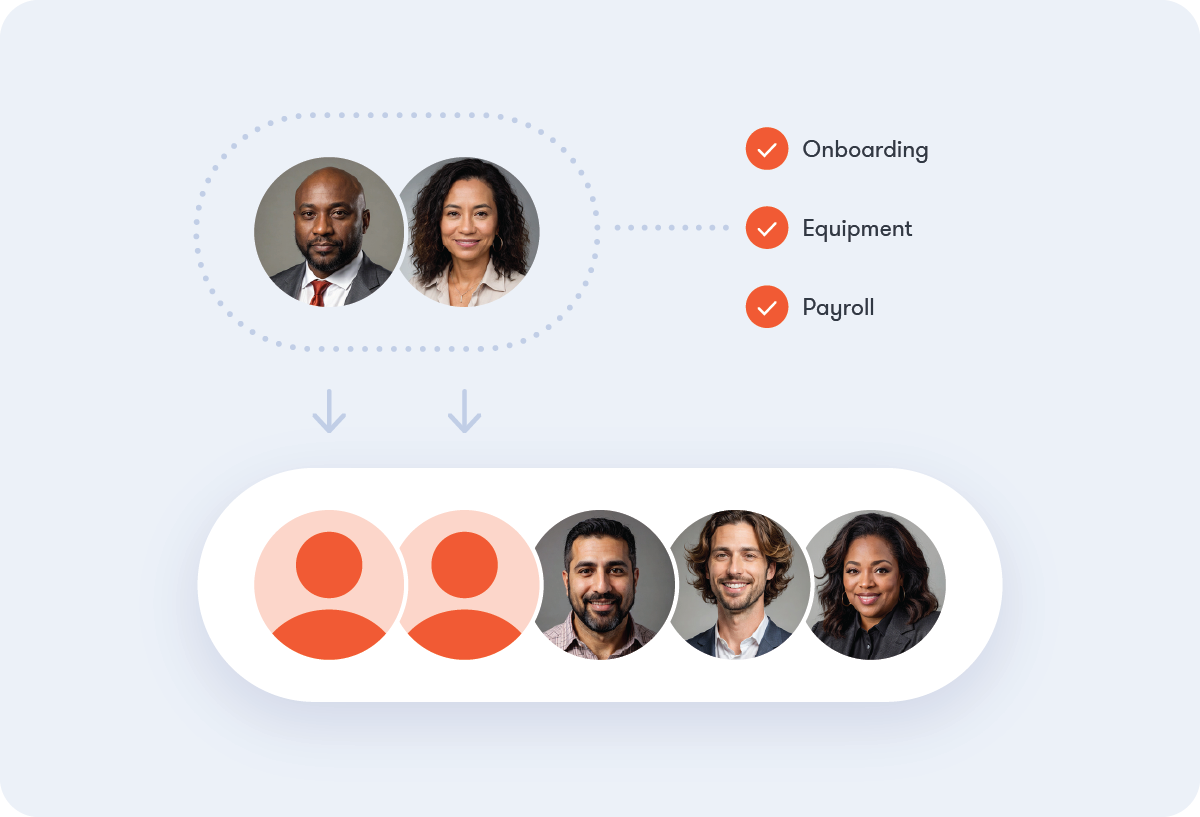
How It Works
Labor & Employment Lawyers in Nearby Cities
- Labor & Employment Lawyers in Rockford, IL
- Labor & Employment Lawyers in Joliet, IL
- Labor & Employment Lawyers in Naperville, IL
- Labor & Employment Lawyers in Aurora, IL
Labor & Employment Lawyers in Other Cities
- Labor & Employment Lawyers in New York City, NY
- Labor & Employment Lawyers in Los Angeles, CA
- Labor & Employment Lawyers in Houston, TX
- Labor & Employment Lawyers in Phoenix, AZ
- Labor & Employment Lawyers in Philadelphia, PA
- Labor & Employment Lawyers in San Antonio, TX
- Labor & Employment Lawyers in San Diego, CA
Practice Areas similar to Labor & Employment Law
- Commercial Real Estate Lawyers
- Corporate & Commercial Lawyers
- Data Privacy & Cybersecurity Lawyers
- Energy Lawyers
- Finance & Capital Markets Lawyers
- Healthcare & Life Sciences Lawyers
- Intellectual Property Lawyers
- Legal Support Professionals
- Litigation & Dispute Resolution Lawyers
- M&A Lawyers
- Regulatory & Compliance Lawyers
- Technology & AI Lawyers
Local workforce considerations
Scheduling and Pay Practices Across Chicago’s Shift-Based Economy
A hospital group in the Illinois Medical District, a hotel near McCormick Place, and a warehouse operator serving O’Hare International Airport face different staffing pressures, but each depends on schedules that can change quickly. Chicago’s Fair Workweek requirements apply to covered employers in sectors that include healthcare, hotels, manufacturing, restaurants, retail, building services, and warehouse services, placing added importance on advance scheduling, documented changes, and predictability pay. Managers also need practices that align timekeeping, overtime, meal periods, and employee classifications with how work is actually assigned. A scheduling process that works operationally can still create wage exposure if records, approvals, or payroll rules do not match daily practice.
Paid leave and paid sick leave create another operational layer for employers with employees working in Chicago. Policies must address accrual, use, notice, carryover, and coordination with broader Illinois or multistate programs without producing conflicting instructions for managers and payroll teams. The practical challenge is consistency across locations, especially when employees move between a Loop office, a customer site, and facilities outside city limits.
Labor and employment lawyers often review handbook language, scheduling systems, independent contractor arrangements, and wage-payment procedures before a complaint, audit, or workforce expansion exposes gaps. Axiom’s labor and employment lawyers can support policy updates, manager guidance, wage-and-hour reviews, and responses to disputes involving scheduling, leave, classification, or final compensation.
Talent Competition and Organizational Change from the Loop to Fulton Market
Professional services firms, financial institutions, technology companies, and growing employers in Fulton Market compete for specialized talent while managing pay transparency and internal equity across roles. Illinois job postings for covered employers must include pay scale and benefit information, making compensation decisions visible earlier in the recruiting process. Review may focus on salary ranges, bonus descriptions, promotion criteria, and whether employees performing substantially similar work are treated consistently. Weak documentation can create friction during hiring, pay reviews, or an internal complaint.
Acquisitions, restructurings, and facility changes raise a different set of issues. A buyer evaluating a Chicago manufacturer may need to assess collective bargaining obligations, pending grievances, worker classification, safety records, restrictive covenants, and potential notice duties before closing. A technology company integrating teams from the Loop and another state may face questions about harmonizing leave, remote-work, confidentiality, and performance-management practices. Those decisions affect retention, integration timing, and the ability to make workforce changes without disrupting operations.
Workplace investigations also require careful handling when allegations involve executives, supervisors, discrimination, retaliation, harassment, or misuse of confidential information. The issue for legal teams is often defining the scope, preserving relevant communications, selecting an impartial investigator, and documenting conclusions without creating avoidable inconsistencies. Lawyers from Axiom can help employers manage investigations, employment aspects of transactions, reductions in force, employee relations, and disputes tied to compensation, hiring, discipline, or separation.