

Philadelphia Commercial Contracts Lawyers
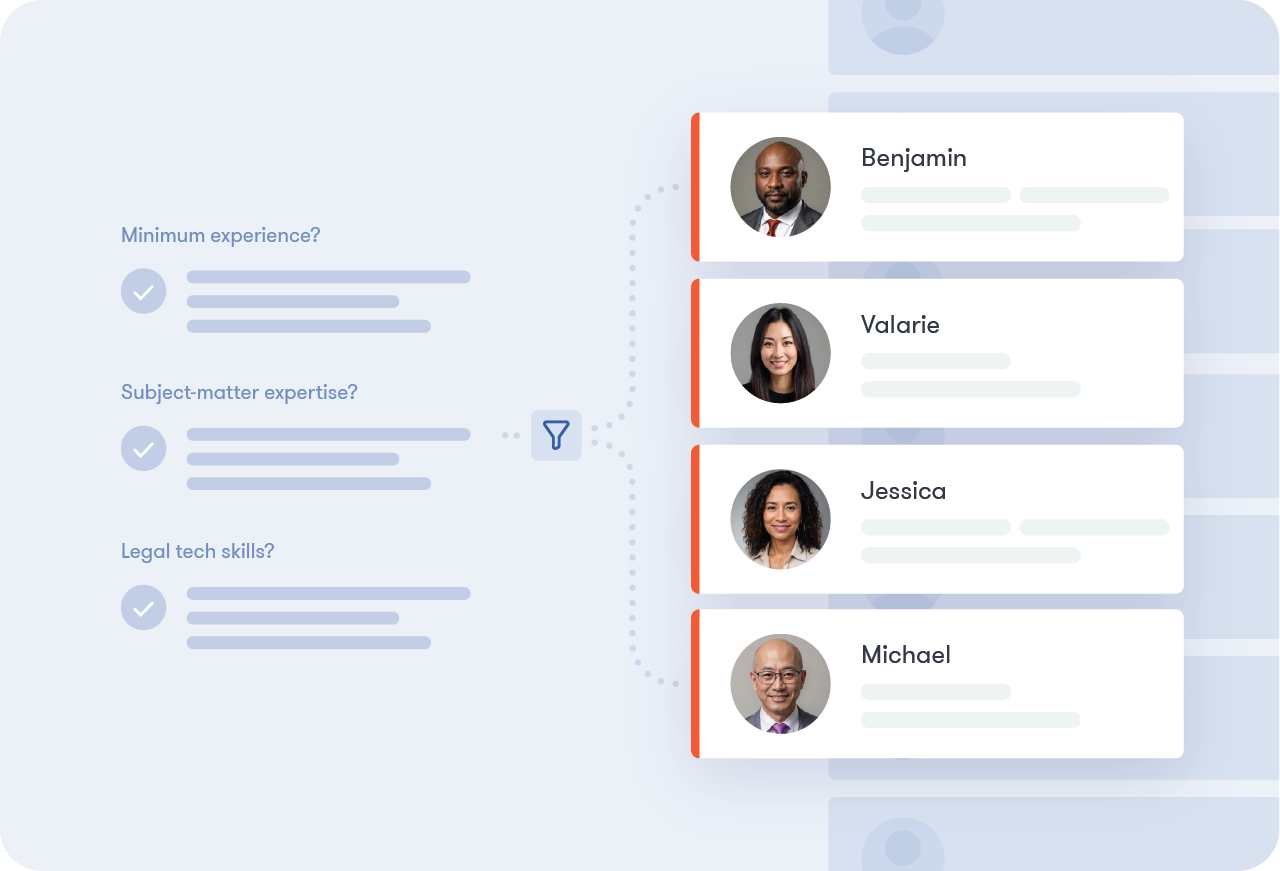
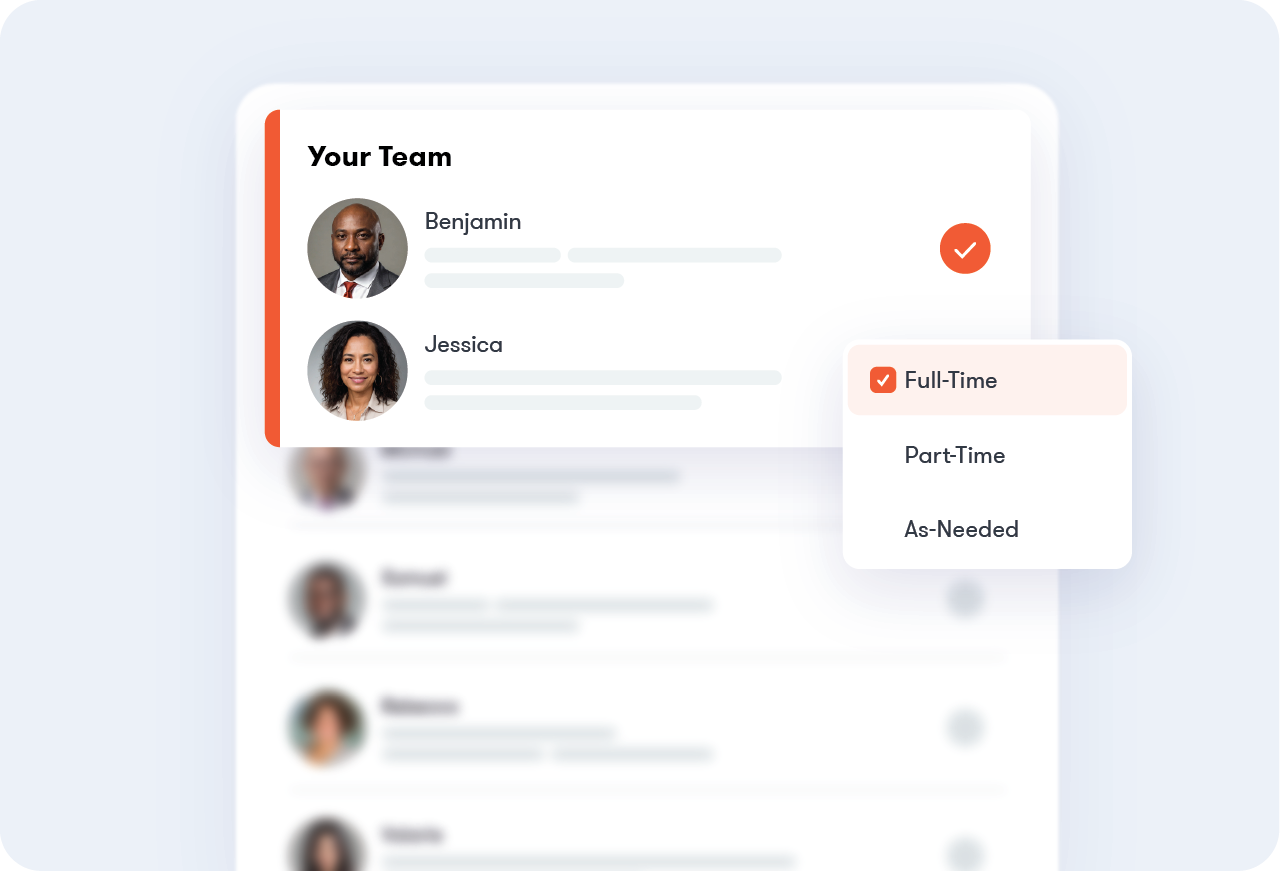
Axiom helps you find & engage the right business-oriented commercial contracts lawyers in Philadelphia, throughout the United States, and globally on a full-time, part-time, or as-needed basis at affordable rates.
.png?width=1191&height=1123&name=Practice%20Area%20Hero%20Images_Commercial%20Contracts%20(2).png)











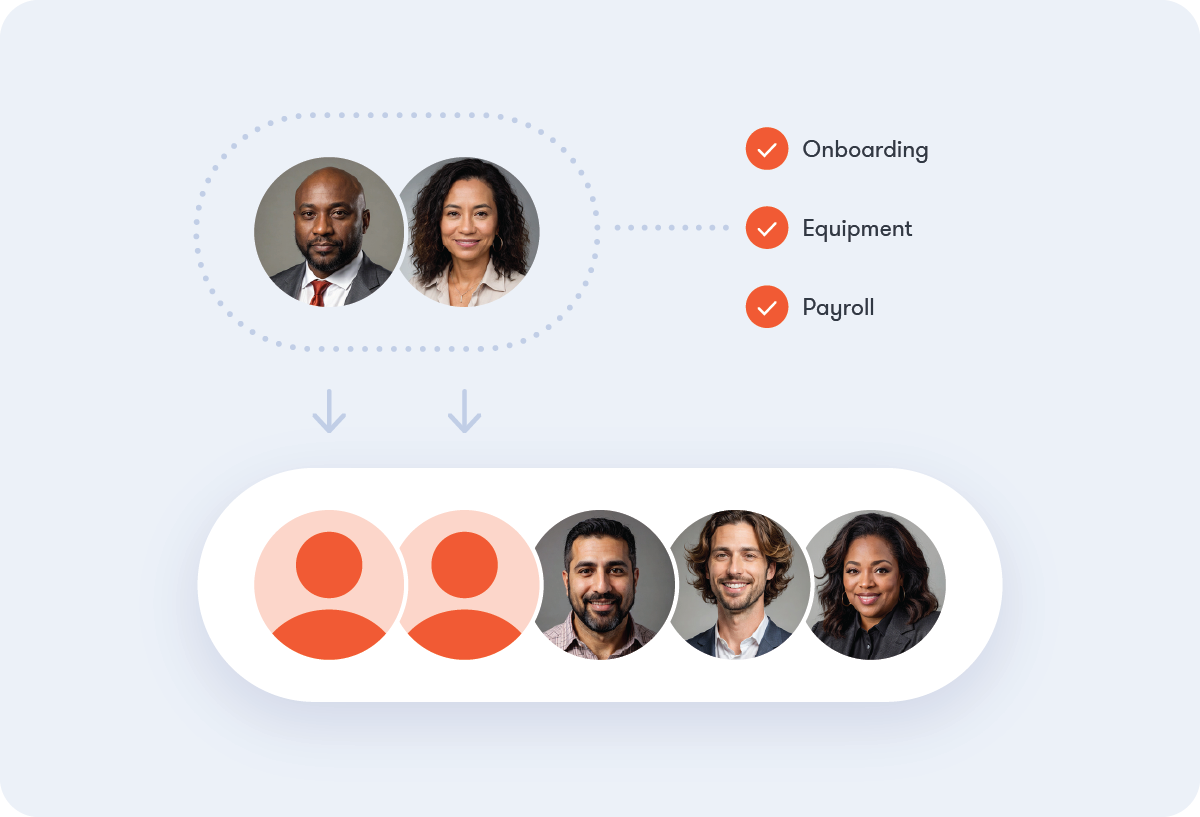
How It Works
Commercial Contracts Lawyers in Nearby Cities
- Commercial Contracts Lawyers in Pittsburgh, PA
- Commercial Contracts Lawyers in Allentown, PA
- Commercial Contracts Lawyers in Erie, PA
- Commercial Contracts Lawyers in Reading, PA
Commercial Contracts Lawyers in Other Cities
- Commercial Contracts Lawyers in New York City, NY
- Commercial Contracts Lawyers in Los Angeles, CA
- Commercial Contracts Lawyers in Chicago, IL
- Commercial Contracts Lawyers in Houston, TX
- Commercial Contracts Lawyers in Phoenix, AZ
- Commercial Contracts Lawyers in San Antonio, TX
- Commercial Contracts Lawyers in San Diego, CA
Practice Areas similar to Commercial Contracts
- Commercial Real Estate Lawyers
- Corporate & Commercial Lawyers
- Data Privacy & Cybersecurity Lawyers
- Energy Lawyers
- Finance & Capital Markets Lawyers
- Healthcare & Life Sciences Lawyers
- Intellectual Property Lawyers
- Labor & Employment Lawyers
- Legal Support Professionals
- Litigation & Dispute Resolution Lawyers
- M&A Lawyers
- Regulatory & Compliance Lawyers
- Technology & AI Lawyers
Local contract considerations
Contract Pressure Around University City and Healthcare Procurement
Commercial relationships in Philadelphia often involve research institutions, hospital systems, specialized suppliers, and technology vendors working on compressed operational timelines. A growth-stage company near University City might be negotiating a lab services agreement, a software subscription, a data-sharing arrangement, and a manufacturing support contract before a product or service reaches a larger customer. Contract review in that setting often focuses on ownership of deliverables, confidentiality terms, milestone payments, audit rights, and termination rights because a mismatch across related agreements can slow funding, delay implementation, or weaken leverage with a strategic partner.
Healthcare and life sciences activity tied to University of Pennsylvania, Drexel University, and major hospital networks can make ordinary commercial terms more consequential. A vendor agreement involving clinical operations or research support may need clearer language on service levels, information security, subcontracting, and responsibility for delays. The practical issue for legal teams is often alignment: customer commitments may require stricter performance standards than a supplier is willing to accept, leaving the company exposed if the supplier agreement does not pass through the same obligations.
Center City headquarters and professional services firms add another layer of contracting activity, especially where procurement teams are balancing enterprise policies with local operating needs. Master services agreements, statements of work, renewal provisions, indemnity clauses, and limitation-of-liability terms can determine how quickly a project moves from approval to implementation. Axiom's commercial contracts lawyers can support this work through contract review, negotiation, and risk allocation tied to research, healthcare, technology, and supplier relationships.
Supplier, Logistics, and Regional Operating Agreements Along the Delaware River
Philadelphia’s commercial contract needs are also shaped by port, logistics, and regional distribution activity connected to the Port of Philadelphia, I-95, Philadelphia International Airport, and the Navy Yard. Companies using the city as an operating base often depend on warehousing providers, transportation vendors, equipment suppliers, facilities contractors, and outsourced service partners. Contract terms may need to account for delivery timing, insurance requirements, cargo responsibility, price adjustments, force majeure language, and remedies when a service failure affects downstream customer commitments.
The same issue can look different for companies extending operations into King of Prussia, Conshohocken, or South Jersey. A customer contract may impose strict delivery obligations, while a vendor agreement gives the supplier broad discretion over substitutions, schedule changes, or added charges. Review may identify gaps between those positions before they become margin pressure, service disruptions, or disputes over who absorbs the cost of a missed commitment.
Transactions and growth events often bring these contract issues forward. During a financing, acquisition, vendor replacement, or new customer rollout, companies may need to identify assignment restrictions, change-of-control consent requirements, exclusivity provisions, auto-renewal traps, and termination fees that affect timing or deal certainty. Lawyers from Axiom can help companies evaluate how contract terms allocate delay, payment, vendor, and operational risk across Philadelphia-area commercial relationships.