

Chicago Commercial Contracts Lawyers
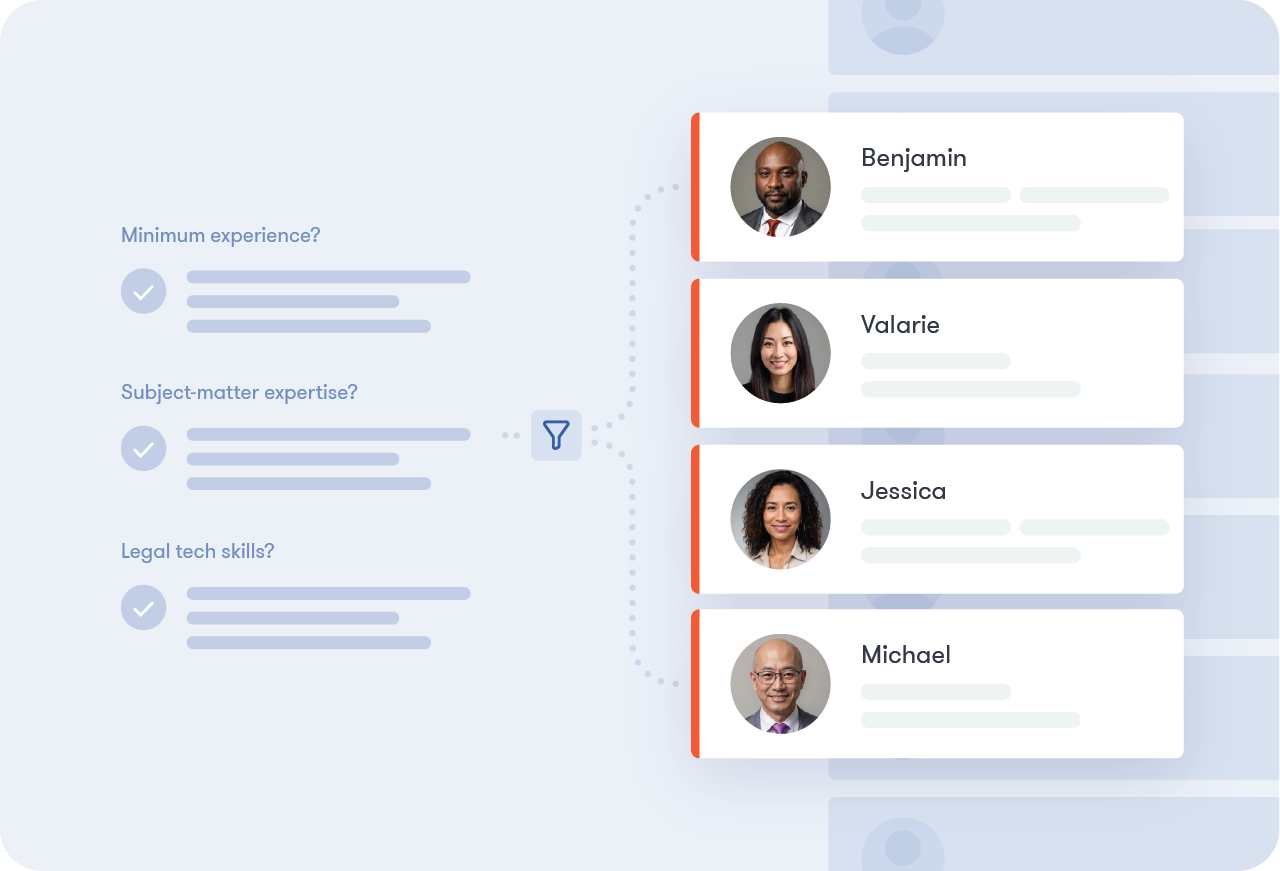
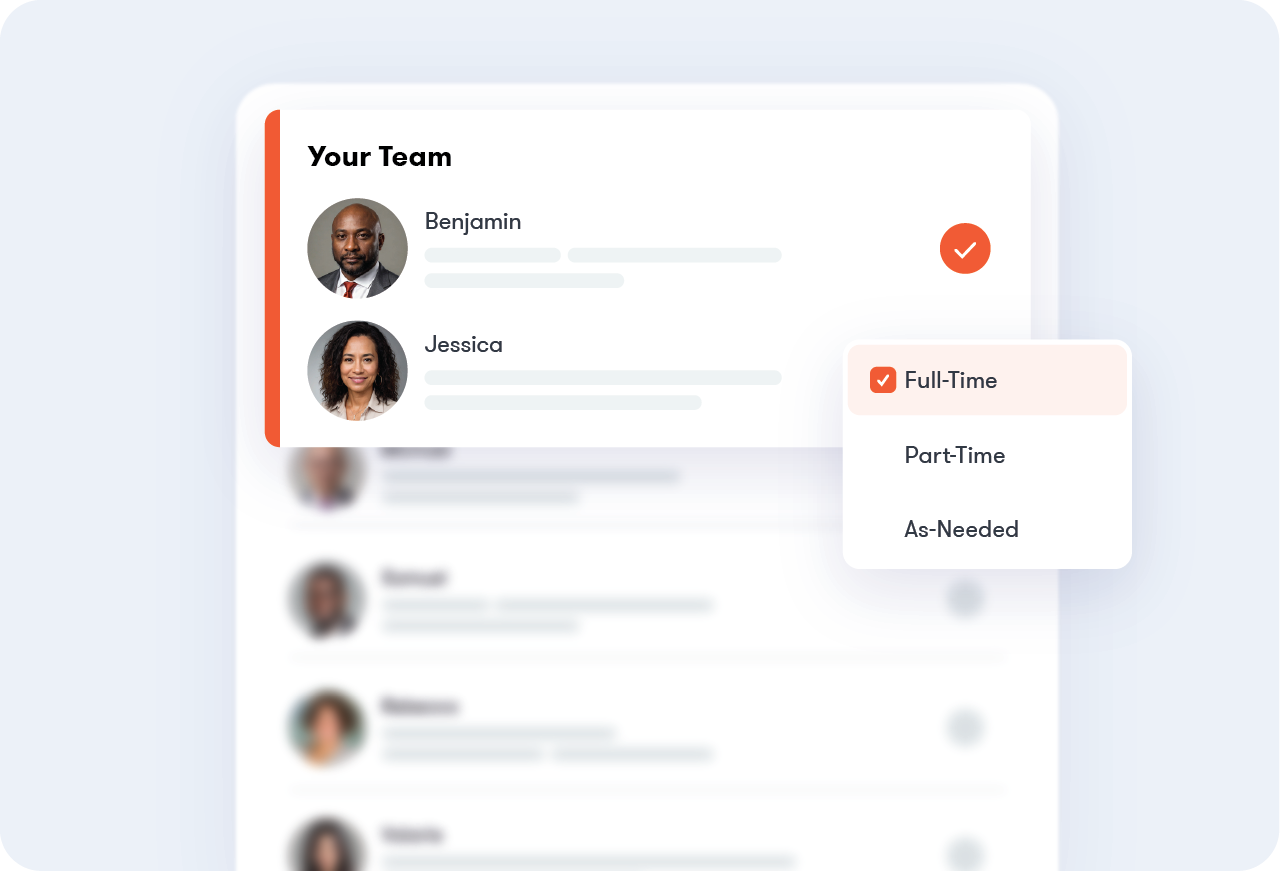
Axiom helps you find & engage the right business-oriented commercial contracts lawyers in Chicago, throughout the United States, and globally on a full-time, part-time, or as-needed basis at affordable rates.
.png?width=1191&height=1123&name=Practice%20Area%20Hero%20Images_Commercial%20Contracts%20(2).png)











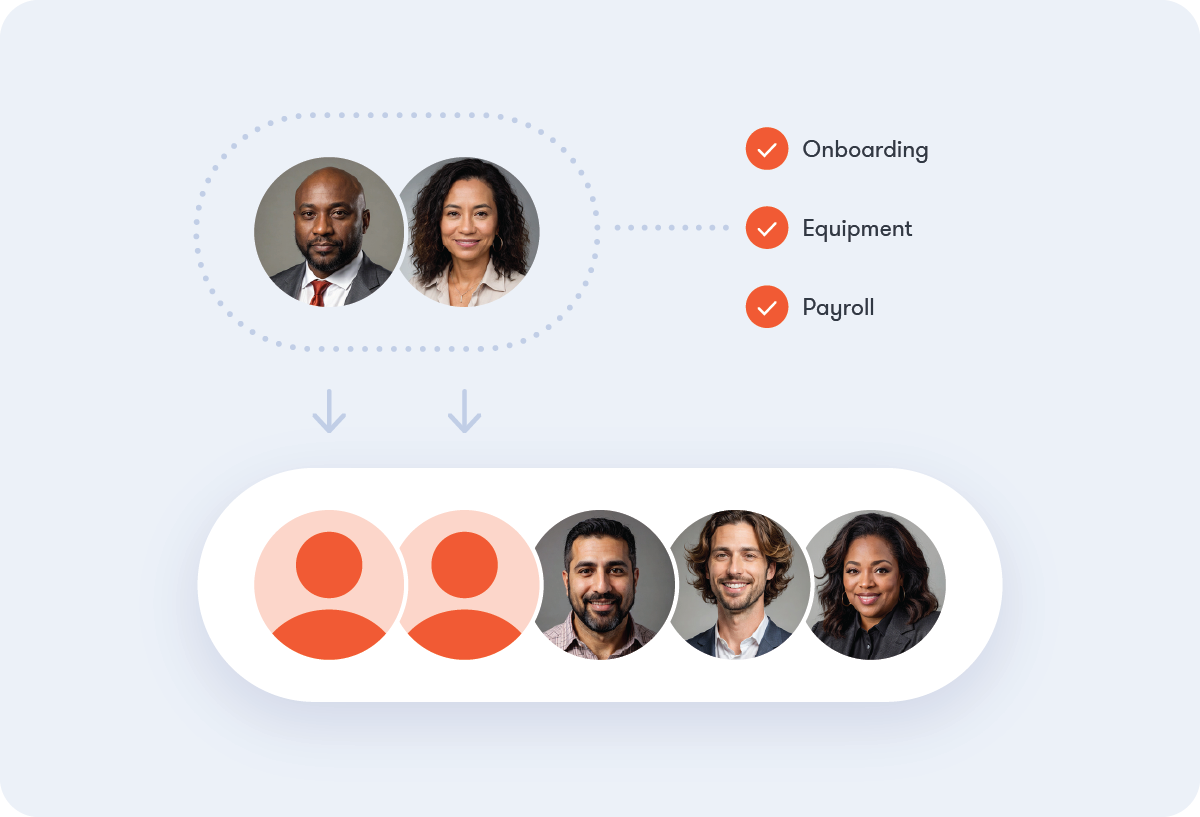
How It Works
Commercial Contracts Lawyers in Nearby Cities
- Commercial Contracts Lawyers in Rockford, IL
- Commercial Contracts Lawyers in Joliet, IL
- Commercial Contracts Lawyers in Naperville, IL
- Commercial Contracts Lawyers in Aurora, IL
Commercial Contracts Lawyers in Other Cities
- Commercial Contracts Lawyers in New York City, NY
- Commercial Contracts Lawyers in Los Angeles, CA
- Commercial Contracts Lawyers in Houston, TX
- Commercial Contracts Lawyers in Phoenix, AZ
- Commercial Contracts Lawyers in Philadelphia, PA
- Commercial Contracts Lawyers in San Antonio, TX
- Commercial Contracts Lawyers in San Diego, CA
Practice Areas similar to Commercial Contracts
- Commercial Real Estate Lawyers
- Corporate & Commercial Lawyers
- Data Privacy & Cybersecurity Lawyers
- Energy Lawyers
- Finance & Capital Markets Lawyers
- Healthcare & Life Sciences Lawyers
- Intellectual Property Lawyers
- Labor & Employment Lawyers
- Legal Support Professionals
- Litigation & Dispute Resolution Lawyers
- M&A Lawyers
- Regulatory & Compliance Lawyers
- Technology & AI Lawyers
Local contract considerations
Technology and Service Agreements Across Chicago’s Business Districts
A company buying software or outsourced services from a vendor in the Loop may need contract terms that reflect how the relationship actually operates, not just the supplier’s standard paper. Agreements for cloud platforms, managed services, data analytics, and professional support often turn on service levels, implementation milestones, data-use permissions, cybersecurity requirements, and responsibility when a third-party provider fails. Commercial contracts lawyers reviewing these arrangements may also examine renewal mechanics, termination rights, liability caps, and whether customer remedies are meaningful if a system outage interrupts operations. For companies relying on the same platform across several business units, weak terms can create cost exposure and make it harder to replace an underperforming vendor.
Technology and growth companies in Fulton Market frequently manage the opposite side of the negotiation. Their customer agreements must balance sales flexibility with product capabilities, security commitments, intellectual property rights, and obligations promised by outside vendors. A customer may request broad indemnification, ownership of customized features, aggressive uptime guarantees, or audit rights that exceed what the company can deliver through its existing infrastructure. The practical task is to keep customer commitments aligned with engineering, insurance, and supplier arrangements so that the contract does not create obligations the business cannot consistently meet.
Axiom’s commercial contracts lawyers can support Chicago companies with software agreements, customer and vendor negotiations, outsourcing arrangements, and contract terms involving data, performance, intellectual property, and operational risk.
Supply and Distribution Contracts in a Freight-Driven Market
Manufacturers, distributors, and logistics businesses operating near O’Hare International Airport or along Chicago’s industrial corridors depend on contracts that coordinate purchasing, transportation, inventory, and customer delivery requirements. A supply agreement may need to address minimum purchase commitments, forecast procedures, price adjustments, quality standards, inspection rights, and responsibility for expedited shipping when production falls behind. Distribution contracts can add exclusivity, territory restrictions, resale conditions, inventory obligations, and termination provisions. These details matter when a missed shipment or component shortage affects multiple downstream customers rather than a single transaction.
Chicago’s convention and hospitality activity can create similarly interconnected relationships. Businesses serving events at McCormick Place may coordinate venue agreements, staffing providers, equipment rentals, caterers, technology vendors, and sponsorship arrangements around fixed event dates. Contract review often focuses on cancellation rights, force majeure, deposit treatment, insurance, subcontracting, and responsibility for delays or property damage. When several agreements support the same event, inconsistent cancellation or payment terms can leave one party committed to costs even after the primary engagement changes.
Long-term commercial relationships also need to account for acquisitions, reorganizations, and changes in operating strategy. Assignment restrictions, change-of-control provisions, volume commitments, most-favored pricing clauses, and termination assistance can affect a company’s ability to sell a business, consolidate vendors, or shift production. Lawyers from Axiom can help businesses review these dependencies, align related agreements, negotiate practical risk allocation, and address contract issues that could affect supply continuity, customer commitments, or transaction timing.