CLE
ON-DEMAND

Cybersecurity CLE: Building Cybersecurity Frameworks

Resources Calendar Icon
25 Jun, 2024 | 
Resources Clock Icon
60mins
Resources Location Icon
Virtual event
Resources Plus Icon
1.0 General

This continuing legal education training focuses on the benefits of using cybersecurity and privacy frameworks as a method to ensure organizations are able to meet multijurisdictional legal and regulatory compliance requirements.  This training will also discuss the rapidly increasing capabilities of advanced persistent threats to identify vulnerabilities and obtain exploits before corporations are able to mitigate their exposures.

Cybersecurity CLE Agenda

  • Cybersecurity Today

    • Briefly introduce the speaker and his expertise
    • Changing landscape, and the failing notion of
      “Security through Obscurity”
  • Defining a Breach

    • Privacy breach reporting
    • Security incidents reporting
    • Data-centric responses
  • The Evolving Threat

    • APT-Persistence as the key attribute
    • Better tools
    • Quicker assessment capabilities
    • Economic espionage
    • Easier access to viable exploits
    • APT Attack vectors transitioning from
      authentication to wider array of technical
      vectors
  • Cybersecurity Frameworks

    • Framework as a force multiplier
    • Frameworks overview and comparison
    • Symbiotic relationships between CSF, NIST
      SP 800, and privacy framework
  • Comprehensive Solution Design

    • Mapping IT, design, development, privacy,
      and operations with cybersecurity framework
    • Existing solves within the organization
  • Regulation & Reporting Requirements

    • Existing CISA regulation & reporting
      requirements
    • Covered entities.
    • Evolution of cybersecurity laws
  • AI and Machine Learning

    • Impacts on cybersecurity
    • Integrating new technologies into a
      framework
  • Q&A and Conclusion

Speakers

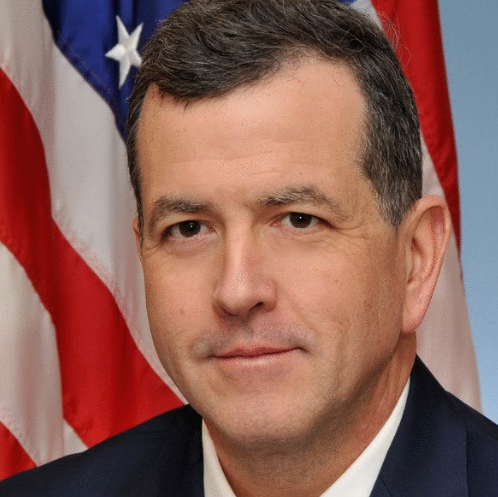
Kurt Siuzdak
Kurt Siuzdak
Cybersecurity & Privacy Attorney
Axiom

A highly experienced Axiom attorney, Kurt stands at the forefront of cybersecurity and privacy law. He has supported several global Fortune 500 tech companies for Axiom, leading privacy teams, drafting and negotiating security provisions in contracts, and standing up cybersecurity infrastructures.
Kurt has also led a number of law enforcement units for the FBI, including covert technical operations, computer forensics, and cybercrimes. In addition to his work at Axiom, Kurt is a professor of cybersecurity at Quinnipiac University. He lives in Connecticut and holds certifications in: ISC2 CISSP, SANS GPEN, IAPP CIPP/US, IAPP CIMP, IAPP Fellow of Privacy.

Register

Dont miss this opportunity to gain valuable insights and strategies from leading experts in the field. Register now to secure your spot. 

Looking for top legal talent?

Explore Axiom’s trusted network of lawyers and legal professionals available on demand to support your team.

Start Browsing

Cybersecurity CLE Agenda

  • Cybersecurity Today

    • Briefly introduce the speaker and his expertise
    • Changing landscape, and the failing notion of
      “Security through Obscurity”
  • Defining a Breach

    • Privacy breach reporting
    • Security incidents reporting
    • Data-centric responses
  • The Evolving Threat

    • APT-Persistence as the key attribute
    • Better tools
    • Quicker assessment capabilities
    • Economic espionage
    • Easier access to viable exploits
    • APT Attack vectors transitioning from
      authentication to wider array of technical
      vectors
  • Cybersecurity Frameworks

    • Framework as a force multiplier
    • Frameworks overview and comparison
    • Symbiotic relationships between CSF, NIST
      SP 800, and privacy framework
  • Comprehensive Solution Design

    • Mapping IT, design, development, privacy,
      and operations with cybersecurity framework
    • Existing solves within the organization
  • Regulation & Reporting Requirements

    • Existing CISA regulation & reporting
      requirements
    • Covered entities.
    • Evolution of cybersecurity laws
  • AI and Machine Learning

    • Impacts on cybersecurity
    • Integrating new technologies into a
      framework
  • Q&A and Conclusion